
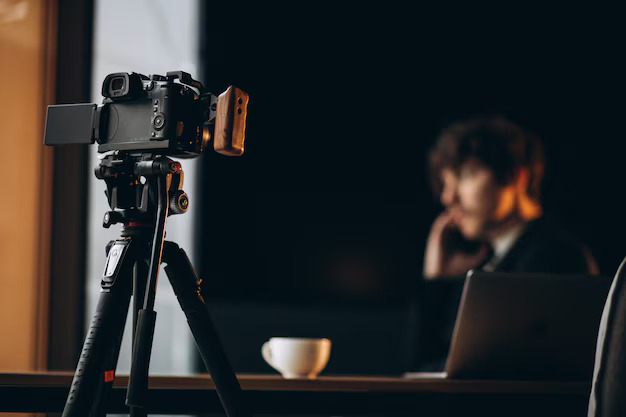
Creating cinematic videos is no longer limited to professional filmmakers with massive budgets. Today, content creators, YouTubers, marketers, and social media editors can achieve a cinematic look using modern editing tools and thoughtful sound design. While many people focus on cameras, color grading, and visual effects, sound often has an even greater impact on how professional a video feels.
A well-designed soundtrack can transform simple footage into an immersive experience. Whether you’re creating travel videos, short films, Instagram Reels, YouTube content, documentaries, or promotional videos, sound effects play a crucial role in building atmosphere, emotion, and storytelling.
Why Sound Design Matters in Cinematic Videos
The difference between an ordinary video and a cinematic one often comes down to audio.
Sound effects help:
- Create emotional impact
- Build atmosphere
- Improve storytelling
- Add realism
- Enhance transitions
- Increase viewer immersion
- Make scenes feel larger and more dramatic
Many viewers may not consciously notice good sound design, but they immediately notice when audio feels missing or unnatural.
Start With the Story
Before adding sound effects, focus on the story you want to tell.
Ask yourself:
- What emotion should viewers feel?
- What is the purpose of the scene?
- How should the audience react?
- What mood are you trying to create?
Every sound effect should support the story rather than simply fill empty space.
The best cinematic videos use audio intentionally to guide viewers through the narrative.
Create Atmosphere Through Audio
Atmosphere helps viewers feel connected to a scene.
Even simple footage can become more immersive when paired with appropriate ambient sounds.
Atmospheric audio can help establish:
- Tension
- Excitement
- Mystery
- Adventure
- Inspiration
- Calmness
- Anticipation
Layering subtle sounds throughout a scene creates depth and realism.
Use Sound Effects to Emphasize Movement
Movement is a major part of cinematic editing.
Sound effects can enhance:
- Camera movements
- Character actions
- Scene transitions
- Environmental interactions
- Object movements
Matching audio to visual movement helps scenes feel more dynamic and realistic.
Make Transitions Feel Smoother
Transitions are often where videos lose momentum.
Adding sound effects to transitions can:
- Improve flow
- Connect scenes naturally
- Maintain viewer engagement
- Increase production value
Professional editors frequently use audio to bridge scenes and maintain continuity.
Build Emotional Impact
Emotion is one of the most important elements of cinematic storytelling.
Sound effects can strengthen emotional moments by helping viewers connect with the scene.
Audio can support:
- Dramatic reveals
- Inspirational sequences
- Personal stories
- Character moments
- Climactic scenes
- Emotional conclusions
When visuals and audio work together, the emotional impact becomes much stronger.
Add Depth to Simple Footage
Many creators assume cinematic videos require expensive locations or equipment.
In reality, thoughtful sound design can dramatically improve ordinary footage.
Sound effects can help:
- Make locations feel larger
- Add environmental detail
- Increase realism
- Create richer scenes
- Improve immersion
Even simple shots can feel more professional when supported by quality audio.
Use Audio to Control Pacing
Pacing affects how viewers experience a video.
Fast-paced scenes often feel exciting and energetic, while slower scenes create reflection and emotion.
Sound effects help control pacing by:
- Supporting transitions
- Guiding viewer attention
- Reinforcing key moments
- Maintaining momentum
Good pacing keeps audiences engaged throughout the entire video.
Enhance Travel and Adventure Videos
Travel content often benefits greatly from cinematic sound design.
Audio can help showcase:
- New locations
- Cultural experiences
- Scenic environments
- Memorable moments
- Personal journeys
Sound effects help transform travel footage into a more immersive storytelling experience.
Improve Social Media Content
Cinematic editing is becoming increasingly popular on platforms like Instagram Reels, TikTok, and YouTube Shorts.
Sound effects can help creators:
- Stand out in crowded feeds
- Create premium-looking content
- Improve audience retention
- Increase engagement
- Strengthen storytelling
Even short videos can achieve a cinematic feel through thoughtful audio design.
Avoid Common Sound Design Mistakes
Many creators make mistakes that reduce the effectiveness of their sound effects.
Common mistakes include:
- Using too many effects
- Overlapping audio unnecessarily
- Ignoring volume balance
- Adding sounds without purpose
- Using identical effects repeatedly
The goal is to enhance the story, not distract from it.
Build Your Own Sound Effects Library
Having quick access to sound effects can dramatically improve your editing workflow.
Benefits include:
- Faster editing
- Better organization
- Consistent quality
- More creative freedom
- Improved productivity
As you create more cinematic content, a well-organized sound library becomes increasingly valuable.
Creating a Professional Audio Mix
Even great sound effects can feel unprofessional if they are not mixed properly.
When editing:
- Balance all audio levels carefully.
- Avoid clipping and distortion.
- Leave room for dialogue and music.
- Ensure important sounds remain clear.
- Test your video on different devices.
A clean audio mix is essential for achieving a cinematic result.
Creating Emotional Impact Through Sound
One of the defining characteristics of cinematic videos is their ability to make viewers feel something. Whether it’s excitement, suspense, inspiration, or curiosity, emotions help audiences connect with content on a deeper level.
Sound effects contribute to emotional storytelling by adding depth and realism to scenes. Even simple footage can become more engaging when audio supports the mood and atmosphere. Strategic sound design helps guide audience reactions and makes important moments feel more impactful.
When creators focus on emotion rather than simply adding random sounds, their videos often feel more professional and memorable.
Using Sound to Build Atmosphere
Atmosphere is what makes viewers feel present within a scene. Cinematic videos often use audio to create an immersive environment that supports the visual story.
Sound effects can help establish:
- Tension
- Mystery
- Adventure
- Inspiration
- Excitement
- Anticipation
A strong atmosphere encourages viewers to stay engaged and experience the video rather than simply watch it.
Enhancing Camera Movements With Audio
Modern cinematic editing often includes camera movements such as pans, zooms, reveals, and transitions. Sound effects can reinforce these visual elements and make them feel more dynamic.
Audio helps:
- Emphasize movement
- Improve scene transitions
- Highlight visual changes
- Create smoother edits
- Increase production value
When movement and sound work together, the overall viewing experience becomes much more immersive.
Why Cinematic Videos Feel More Professional
Many people assume that expensive cameras are responsible for cinematic quality. While equipment can help, professional sound design often has an even greater impact on how viewers perceive a video.
High-quality audio can:
- Improve realism
- Create stronger emotional connections
- Enhance storytelling
- Increase audience engagement
- Make videos feel more polished
Even videos captured with basic equipment can feel cinematic when supported by thoughtful sound design.
Improving Audience Retention With Sound Design
Keeping viewers engaged from beginning to end is one of the biggest challenges in content creation. Sound effects help maintain interest by introducing variation, supporting pacing, and emphasizing important moments.
Benefits include:
- Better watch time
- Increased audience retention
- Stronger emotional engagement
- Improved storytelling flow
- More memorable content
The longer viewers remain engaged, the more effective the video becomes.
Common Sound Design Mistakes
While sound effects can improve cinematic content, they should be used carefully.
Common mistakes include:
- Overusing sound effects
- Poor volume balancing
- Adding sounds without purpose
- Repetitive audio choices
- Distracting the audience from the story
- Ignoring synchronization
The most effective sound design feels natural and enhances the content without drawing unnecessary attention to itself.
Building a Cinematic Editing Workflow
Successful creators often develop a workflow that makes sound design an important part of the editing process rather than an afterthought.
A structured workflow can help:
- Save editing time
- Improve consistency
- Create better storytelling
- Enhance production quality
- Increase creative flexibility
As creators gain experience, audio often becomes one of the most powerful tools for creating cinematic content.
Combining Music and Sound Effects
While music establishes the overall mood of a video, sound effects add detail and realism. The strongest cinematic projects typically combine both elements to create a richer viewing experience.
When balanced correctly, music and sound effects work together to:
- Support storytelling
- Guide audience emotions
- Improve pacing
- Enhance important moments
- Create a more immersive atmosphere
This combination is often what separates ordinary videos from truly cinematic productions.
Understanding the Purpose of Your Video
Before selecting any sound effect, it’s important to understand the goal of your video. Different types of content require different editing styles, and the audio should support the message you’re trying to communicate.
For example, a product demonstration may require clean and professional sound design, while a comedy video may benefit from more playful audio cues. Educational videos often need subtle sound effects that support information without distracting viewers.
When creators start with the purpose of the video, choosing appropriate sound effects becomes much easier.
Matching Sound Effects to Video Style
Every video has its own tone and personality. The sound effects you choose should align with that style to create a consistent viewing experience.
Consider factors such as:
- Content category
- Target audience
- Editing pace
- Emotional tone
- Platform requirements
A sound effect that works perfectly in a fast-paced social media video may feel out of place in a cinematic project or professional presentation.
Maintaining consistency between visuals and audio helps strengthen the overall quality of your content.
Using Sound Effects to Guide Viewer Attention
One of the biggest advantages of sound effects is their ability to direct attention toward important moments.
Audio can help viewers focus on:
- Key messages
- Product features
- Visual transitions
- On-screen text
- Story developments
- Important actions
By strategically placing sound effects throughout a video, creators can naturally guide viewers through the content and improve overall engagement.
Frequently Asked Questions
Why are sound effects important in cinematic videos?
Sound effects help create atmosphere, enhance storytelling, build emotion, and make scenes feel more immersive and professional.
Can cinematic videos be created without expensive equipment?
Yes. Strong storytelling, good editing, and thoughtful sound design can make simple footage feel cinematic even without high-end gear.
How many sound effects should I use in a cinematic video?
Use only the sounds that support the story and improve the viewer experience. Quality and purpose matter more than quantity.
Final Thoughts
Creating cinematic videos is about more than stunning visuals. Sound effects play a vital role in building atmosphere, guiding emotions, enhancing storytelling, and creating immersive experiences for viewers. Whether you’re producing travel films, short documentaries, social media content, promotional videos, or creative projects, thoughtful sound design can dramatically improve the quality of your work.
By using sound effects strategically and focusing on storytelling rather than simply adding audio for the sake of it, creators can transform ordinary footage into engaging cinematic experiences that capture attention and leave a lasting impression.